




Gut–Liver Immune Axis Regulates Clearance of Therapeutic Delivery Systems
AlphaNa Bioscience founder Professor Yucai Wang and collaborators have published a research article in Science, revealing a previously unrecognized gut–liver immune regulatory axis that controls the clearance and delivery efficiency of therapeutic vectors.
The study demonstrates that commensal microbiota and intestinal endocrine signaling regulate hepatic immune surveillance of delivery systems, providing a new framework for improving the in vivo performance of nanomedicines, mRNA therapeutics, and gene delivery technologies.
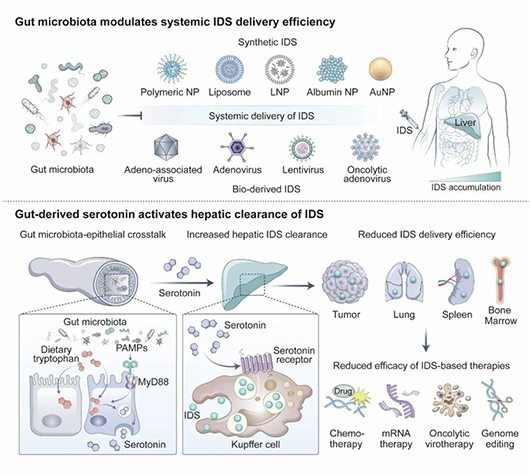
Figure 1. Gut microbiota-driven serotonin signaling regulates hepatic clearance of therapeutic delivery systems.
A New Biological Determinant of Drug Delivery Efficiency
Delivery technologies are essential for advancing modern medicines, including nucleic acid therapeutics, gene editing, and cancer immunotherapy. However, many delivery systems are rapidly recognized and cleared by the body's immune system after administration, limiting accumulation at target tissues.
Through systematic investigation, the research team discovered that depletion of intestinal microbiota significantly enhanced the delivery efficiency of diverse therapeutic vectors, including polymeric nanoparticles, lipid nanoparticles, and viral vectors.
Revealing the Gut–Liver Immune Regulatory Axis
Using intravital imaging and quantitative analysis of nanoparticle–immune cell interactions, the team identified Kupffer cells as key effector cells responsible for microbiota-regulated clearance of delivery systems.
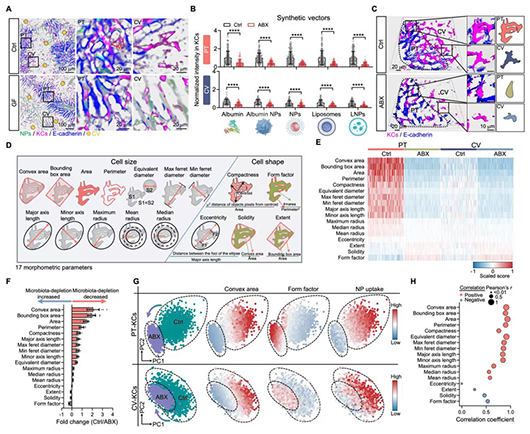
Figure 2. Intravital imaging identifies Kupffer cells as key regulators of delivery system clearance.
A Broad Strategy to Enhance Therapeutic Delivery
By modulating this regulatory pathway, the researchers achieved enhanced delivery performance across multiple therapeutic platforms. Intervention of serotonin signaling increased tumor delivery efficiency by 2–3 fold and improved tissue gene editing efficiency by 10–15 fold in preclinical models.
These findings establish a new paradigm in which systemic biological regulation, rather than material optimization alone, can be leveraged to improve the performance of drug delivery technologies.
Executive Comment
“Understanding the biological regulation of delivery systems is essential for the next generation of RNA medicines and advanced therapeutics,” said Yucai Wang, Founder of AlphaNa Bioscience. “This work reveals a new regulatory layer controlling in vivo delivery and provides opportunities to develop more effective therapeutic platforms.”